
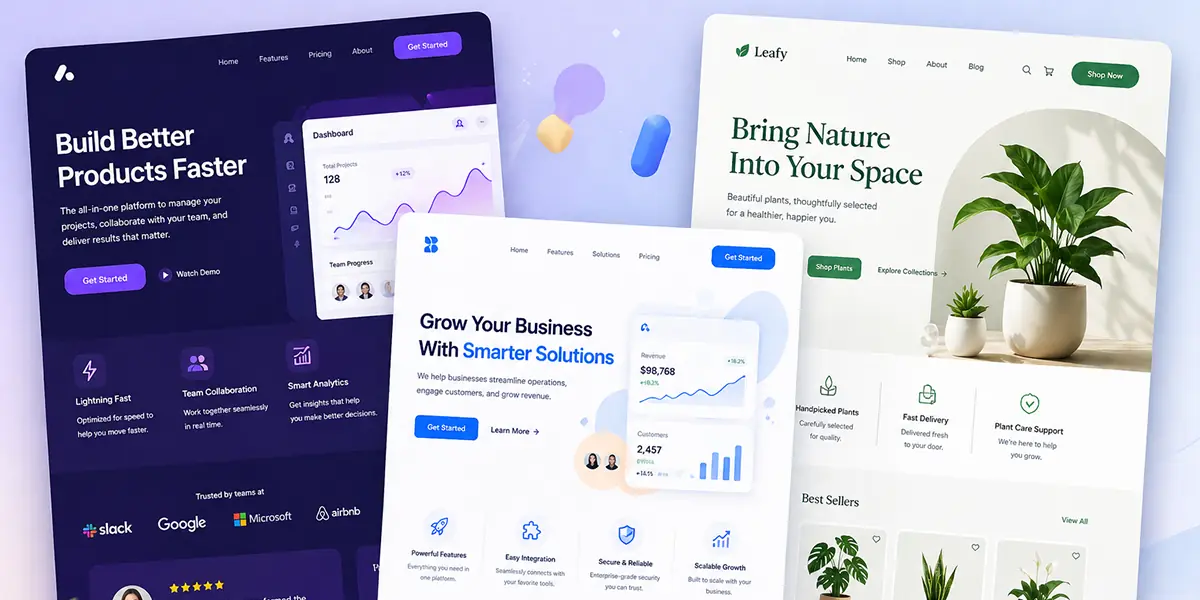
If your landing page does not convert visitors, it doesn’t matter how much money you spend on ads and getting people to your site.
A lot of businesses are having this problem right now: they get traffic but no sales. In 2026, people will expect landing pages to load quickly, be easy to understand, and be useful right away.
If visitors can’t easily figure out what the offer is or how it will help them, they will depart right away. Poor performance is often caused by things like unclear messages, long loading times, and weak calls to action.
Many businesses rely on expert digital marketing services to improve landing pages and get better results for this reason.
Finding out where the page is lacking is the first step toward getting improved conversions.
1. Diagnose the Real Problem (Data First)
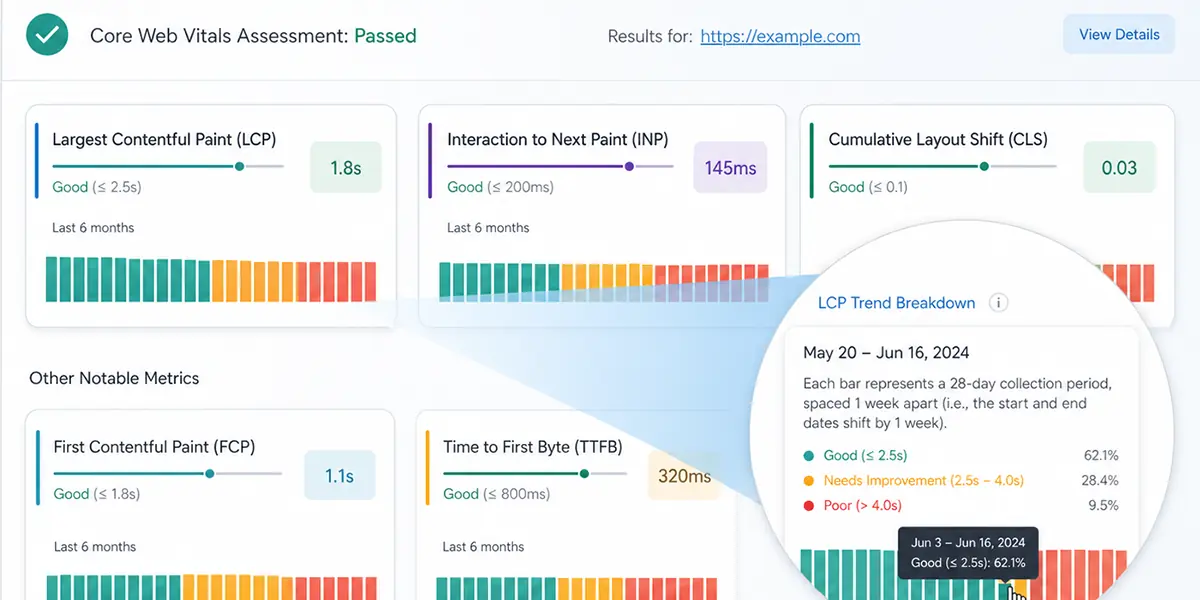
Guesswork rarely fixes a landing page. The smartest approach is to begin with data and user behavior analysis.
Important metrics can reveal exactly how visitors interact with the page and where they lose interest.
Key data points to examine include:
- Bounce Rate: Indicates how many users leave the page immediately.
- Scroll Depth: Shows how far visitors scroll before stopping.
- Session Recordings: Allows you to observe real visitor behavior.
- Conversion Paths: Helps identify the point where users abandon the process.
These learnings often reveal issues that are not apparent on the surface. For instance, visitors might stop scrolling short of the call to action, or they might leave the page after seeing a long form.
Many companies hire SEO consulting services to analyze this information and pinpoint the specific problems that are hampering performance.
When the real issues are determined, the next step is making sure the page says what the visitors want to hear.
2. Fix the Message Match
Readers come to landing pages with expectations. If the message they get is not what brought them to you in the first place, they’ll be gone within seconds.
Message matching is the consistency between the ad, search result, or social post and the landing page.
Ways to improve message alignment include:
- Consistent Headlines: The landing page headline should reflect the original promise.
- Immediate Offer Visibility: Visitors should see the main offer right away.
- Relevant Keywords: The content should reflect the user’s search intent.
- Clear Value Proposition: Explain what makes the offer valuable.
When users feel that the page delivers exactly what they clicked for, they are far more likely to continue exploring.
After aligning the message with user expectations, the next focus should be the first section visitors see on the page.
3. Strengthen the Above-the-Fold Section
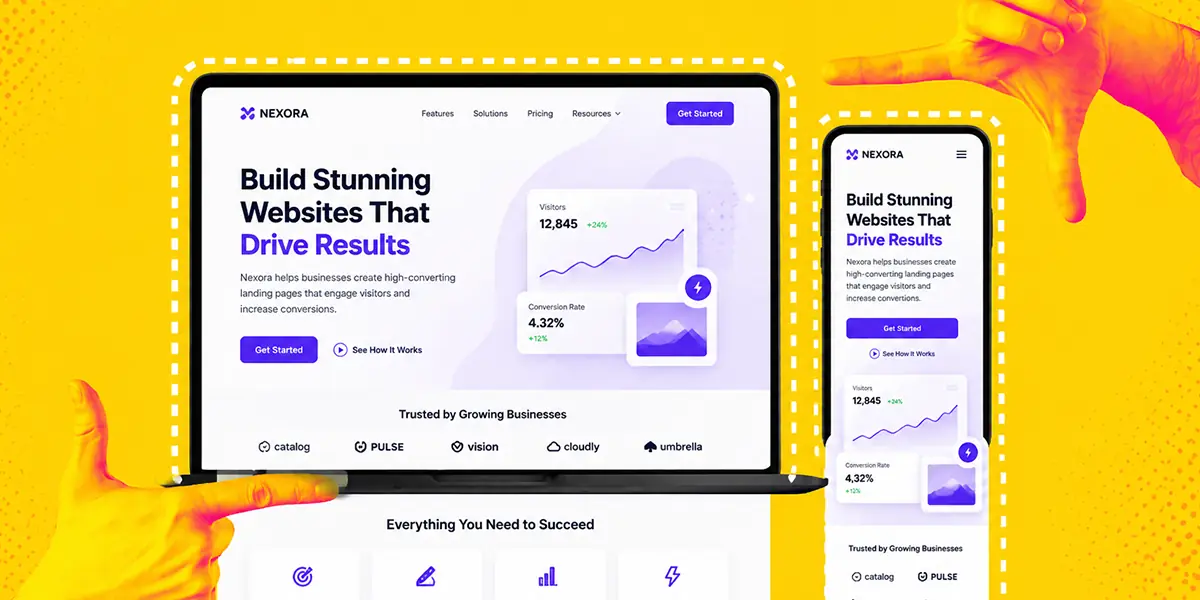
The first screen of a landing page determines whether visitors stay or leave. Within a few seconds, users decide if the page is worth their attention.
A strong above-the-fold section should immediately answer three questions:
- Who is this offer for?
- What problem does it solve?
- What should the visitor do next?
Essential elements of an effective first section include:
- Clear Headline: Communicates the core benefit instantly.
- Supporting Sub-headline: Provides additional context.
- Primary Call-to-Action: Directs visitors to the next step.
- Visual Element: Demonstrates the product or service.
Businesses that spend on professional web development services tend to prioritize this segment, as it is a crucial part of grabbing attention.
When the top part grabs visitors’ attention, the rest of the page can convert them.
4. Simplify the Page Structure
Landing pages perform best when they follow a clear and easy-to-understand structure. Overly complex layouts confuse visitors and reduce engagement.
Instead of overwhelming users with too much information, focus on a logical progression that explains the offer step by step.
A simple landing page flow typically includes:
- Problem: Identify the challenge users face.
- Solution: Introduce the product or service.
- Benefits: Highlight the advantages for the user.
- Social Proof: Show evidence that the solution works.
- Call-to- Action: Encourage visitors to take action.
Clean layouts and organized sections make the page easier to read and faster to scan.
Once the page structure becomes clear and focused, building trust with visitors becomes the next priority.
5. Improve Trust Signals
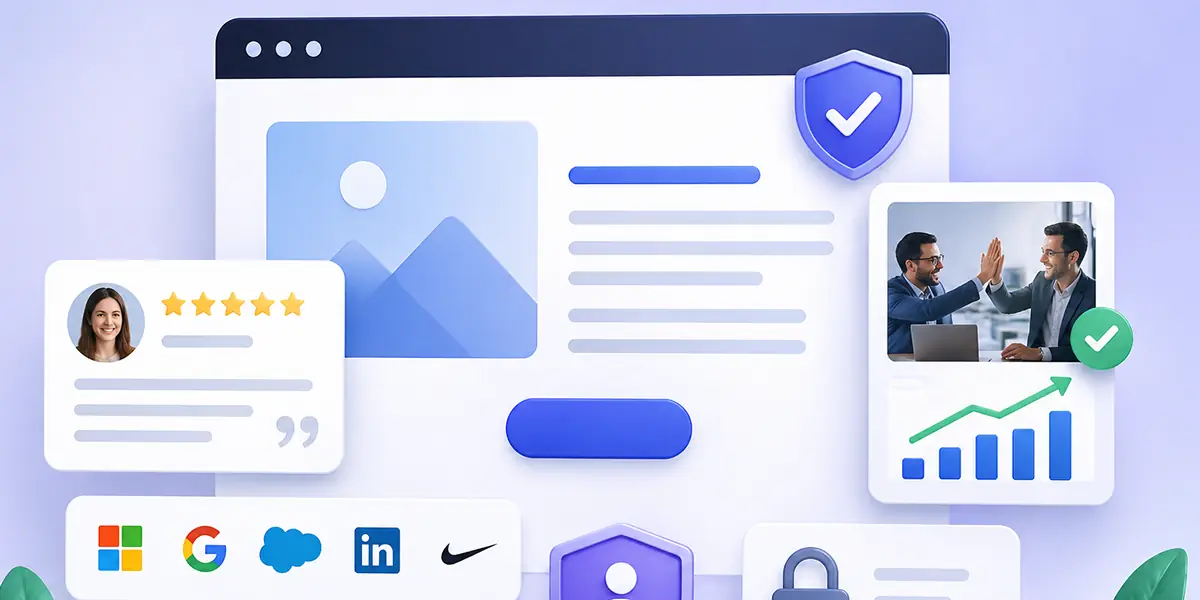
Trust strongly influences whether a visitor decides to convert. If users feel uncertain about a company’s credibility, they hesitate to take action.
Adding trust elements reassures visitors that the product or service delivers real value.
Effective trust signals include
- Customer Testimonials: Genuine feedback from satisfied clients.
- Case Studies: Detailed success stories showing measurable results.
- Client Logos: Recognizable brands that trust your service.
- Security Badges: Indications of safe transactions and data protection.
Creating compelling testimonials and case studies often requires seo friendly content writing that communicates authentic customer experiences in a persuasive way.
Once visitors trust the brand, the page must clearly guide them toward the desired action.
6. Optimize the Call-to-Action
The call-to-action (CTA) is the moment where interest turns into action. Even a well-designed landing page can fail if the CTA is unclear or unappealing.
Strong CTAs encourage visitors to move forward confidently.
Ways to strengthen a CTA include:
- Action-Driven Language: Use phrases like “Get My Free Consultation.”
- High-Contrast Buttons: Ensure the CTA stands out visually.
- Strategic Placement: Position buttons at key points on the page.
- Simplified Forms: Reduce the number of required fields.
A well-designed CTA removes hesitation and makes the next step obvious.
However, even the strongest CTA will not work if the page loads slowly or feels difficult to use.
7. Improve Page Speed and Mobile Experience
Speed plays a crucial role in keeping visitors engaged. Slow pages frustrate users and lead to higher bounce rates.
Today, most visitors access websites through smartphones, making mobile optimization essential.
Important performance improvements include:
- Image Compression: Reduce loading time without sacrificing quality.
- Efficient Coding: Remove unnecessary scripts or plugins.
- Responsive Design: Ensure the layout adapts to all screen sizes.
- Fast Hosting: Improve overall page performance.
Reliable web development services ensure that landing pages load quickly and deliver a smooth user experience.
When a page performs well technically, adding engaging content can further improve user interaction.
8. Add Interactive or Visual Elements
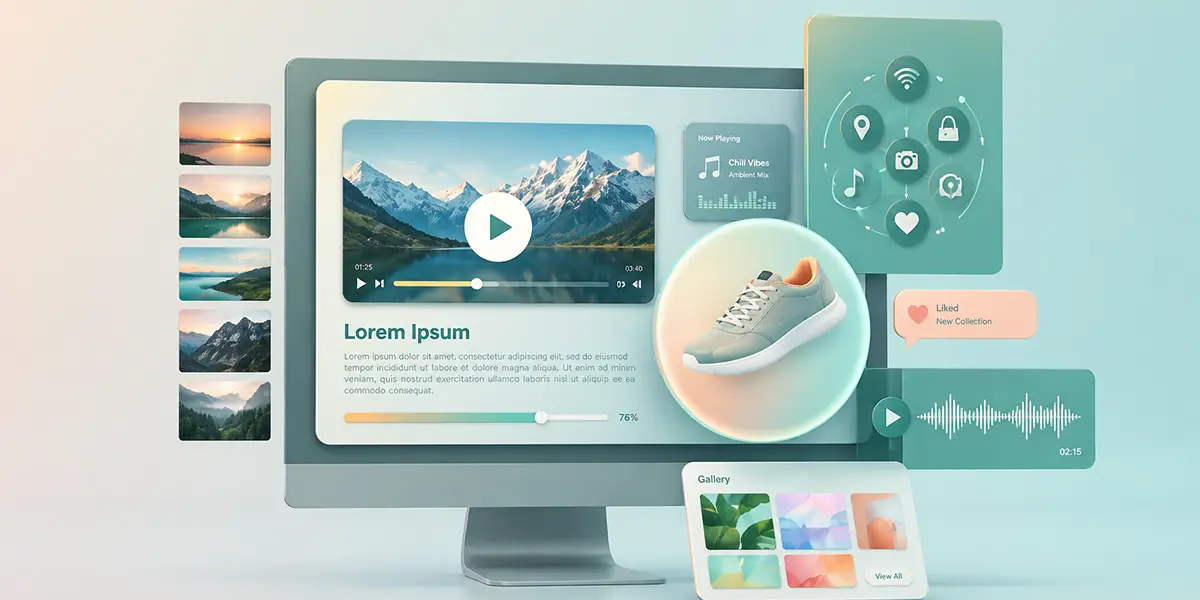
Visual and interactive elements make landing pages more engaging and easier to understand.
Instead of relying entirely on text, businesses can use multimedia content to communicate value more effectively.
Examples of engaging elements include
- Short Explainer Videos: Demonstrate the product or service.
- Product Demonstrations: Show real usage scenarios.
- Interactive Calculators: Help users evaluate benefits.
- Before-and-After Visuals: Display measurable results.
These elements capture attention and encourage visitors to spend more time exploring the page.
When engagement improves, tailoring the experience to each visitor can make the page even more effective.
9. Personalize the Experience
Personalization helps businesses deliver more relevant experiences to different types of visitors.
Rather than showing the same message to everyone, landing pages can adapt based on user behavior or traffic sources.
Common personalization strategies include:
- Traffic-Based Messaging: Different headlines for ads and search visitors.
- Location-Specific Offers: Customized promotions for different regions.
- Returning Visitor Messages: Special incentives for repeat users.
- Behavior-Based Content: Adjust messaging based on browsing patterns.
Advanced digital marketing services use dynamic content tools to create these personalized experiences.
Once personalization improves relevance, testing different variations can reveal which version performs best.
10. Run Continuous A/B Testing
Landing page optimization is an ongoing process. Even successful pages can be improved with testing.
A/B testing allows marketers to compare two versions of a page and measure which one performs better.
Common elements tested include:
- Headlines: Testing different value propositions.
- CTA Text: Comparing action phrases.
- Images: Evaluating different visual styles.
- Page Layout: Rearranging sections for better flow.
Combining testing insights with SEO consulting services helps businesses refine landing pages for both search visibility and conversion performance.
Conclusion
Landing pages are important for getting people to buy anything, but if they don’t work well, they might squander traffic and money spent on marketing.
Businesses may greatly increase conversions by making their messages clearer, their pages load faster, their structures better, and their calls to action clearer.
Landing pages that really work need the correct blend of digital marketing services, web building services, and content authoring that is good for SEO.
Squad IT Biz can help you improve, convert, and grow your business faster so that your landing pages really work. Get in touch with us today to start turning clicks into sales.
FAQs
The most common mistake is unclear messaging that confuses visitors. When users cannot quickly understand the offer, they leave. Professional digital marketing services help align messaging, design, and user intent.
A landing page should focus on one primary call-to-action repeated across sections. Multiple CTAs with different goals confuse users. Strong seo friendly content writing ensures visitors follow one clear action.
Most website traffic now comes from smartphones. Without mobile optimization, pages load slowly or display poorly. Reliable web development services ensure responsive design and smooth navigation across all devices.
Short forms convert better because they reduce user effort. Usually, three to four fields are enough. Businesses often use SEO consulting services to test and determine the best form length.
A high-performing landing page should load within two to three seconds. Faster pages reduce bounce rates and improve user experience, which is a major focus of modern digital marketing services.
Seo friendly content writing helps communicate value clearly while matching search intent. Well-structured content improves readability, builds trust, and encourages visitors to take action on the landing page.
Trust signals like testimonials, case studies, and client logos reduce visitor hesitation. They prove credibility and help users feel confident about taking action, improving conversion rates significantly.
SEO consulting services analyze user behavior, search intent, and performance data. These insights help businesses optimize messaging, structure, and content to improve visibility, engagement, and overall conversion rates.